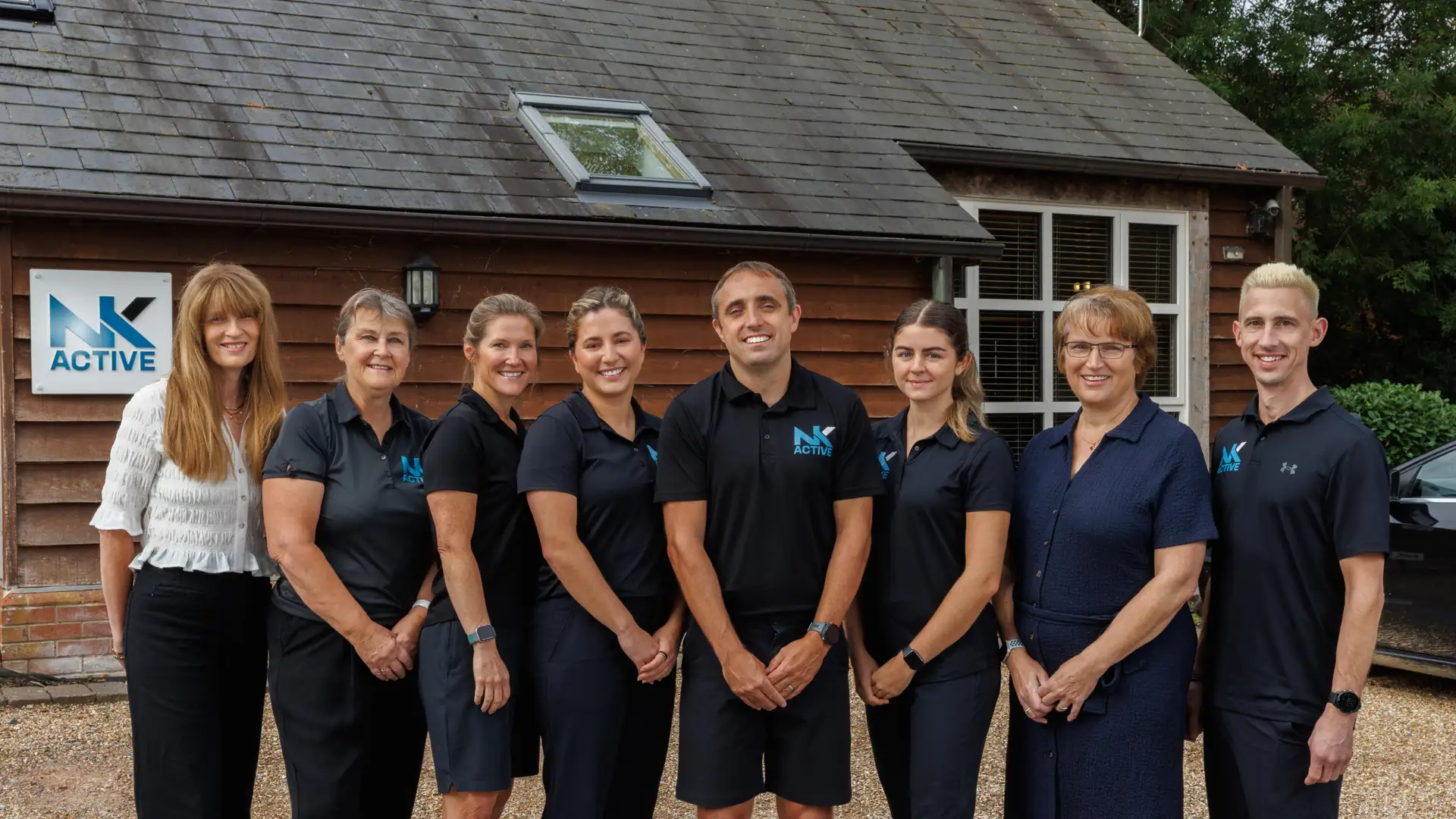


I have been a patient of Nick’s for many years, using custom orthotics and various treatments. Nick and the team always provides a knowledgeable, friendly and helpful approach to everything. After many years of extreme exercise leading to a recent arthritis diagnosis in my foot, his treatment helped me complete a 50k ultra marathon in the Swiss Alps. Thank you.
Tibialis Posterior Tendon Dysfunction Treatment in Romsey
Assessment and management when the tendon supporting the arch is no longer coping.
Background
What Is Tibialis Posterior Tendon Dysfunction?
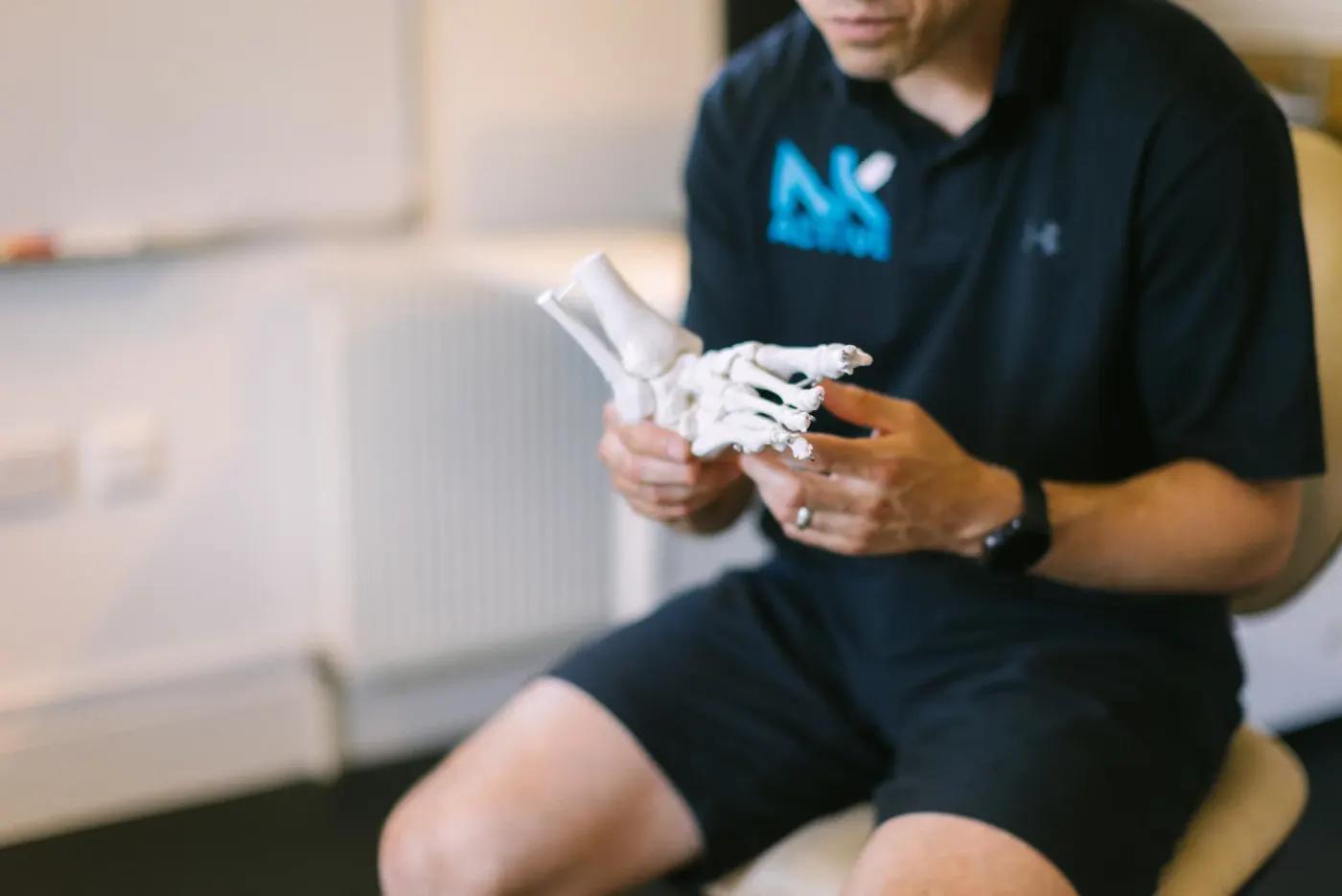
The tibialis posterior tendon runs along the inside of the ankle and attaches into the arch of the foot.
Its role is to support the arch, control foot movement and provide stability during walking. When the tendon becomes weakened or damaged, it can gradually lose its ability to support the foot effectively.
Over time, this may lead to flattening of the arch, changes in walking mechanics and increasing difficulty with activity.
Symptoms of Tibialis Posterior Tendon Dysfunction
Common symptoms include:
- Pain along the inside of the ankle
- Pain or aching through the arch of the foot
- Swelling around the tendon
- Progressive flattening of the foot
- Difficulty walking long distances
- Reduced balance and stability
- Pain during activity
- Increased fatigue in the foot and ankle
Many patients notice symptoms worsening gradually over months or years.
What Causes Tibialis Posterior Tendon Dysfunction?
Several factors may contribute, including:
- Age-related tendon degeneration
- Repetitive overload
- Flat feet
- Previous ankle injuries
- Reduced calf strength
- Biomechanical abnormalities
- Excessive loading through the foot
Early diagnosis is important because the condition can become more difficult to manage as it progresses.
Assessment and Diagnosis
At NK Active, we carry out a comprehensive assessment that may include:
- Clinical examination
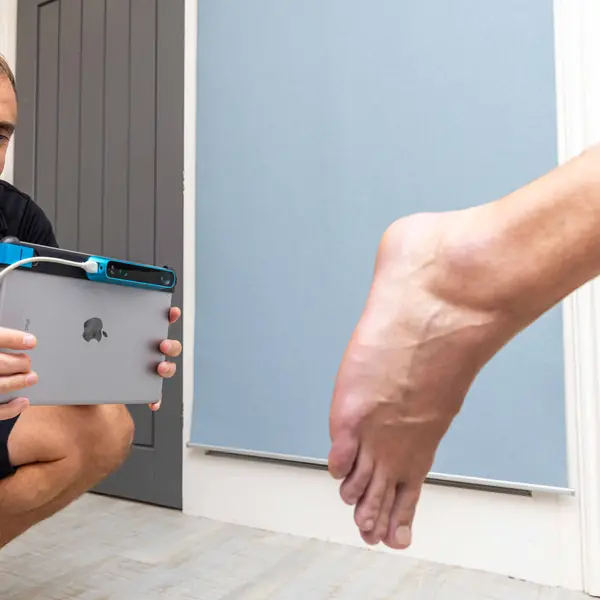
- Foot posture assessment
- Tendon function testing
- Strength testing
- Gait analysis
- Footwear assessment
This allows us to understand how the tendon is functioning and identify the factors contributing to overload.
Treatment Options
Accurate diagnosis is essential to determine the stage of dysfunction and guide treatment.
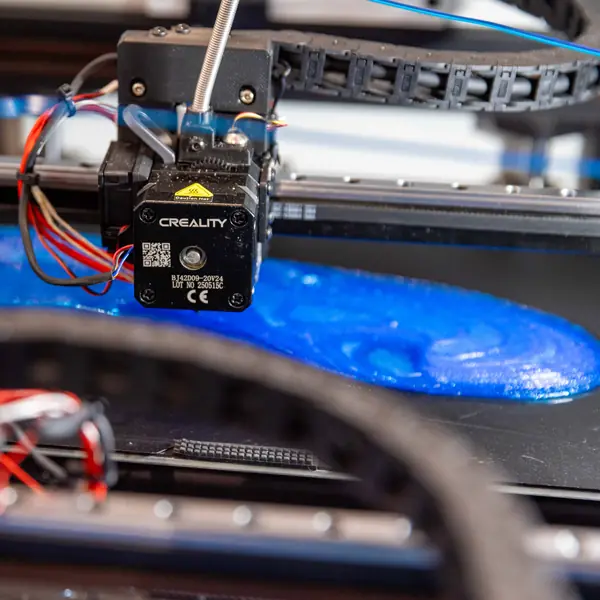
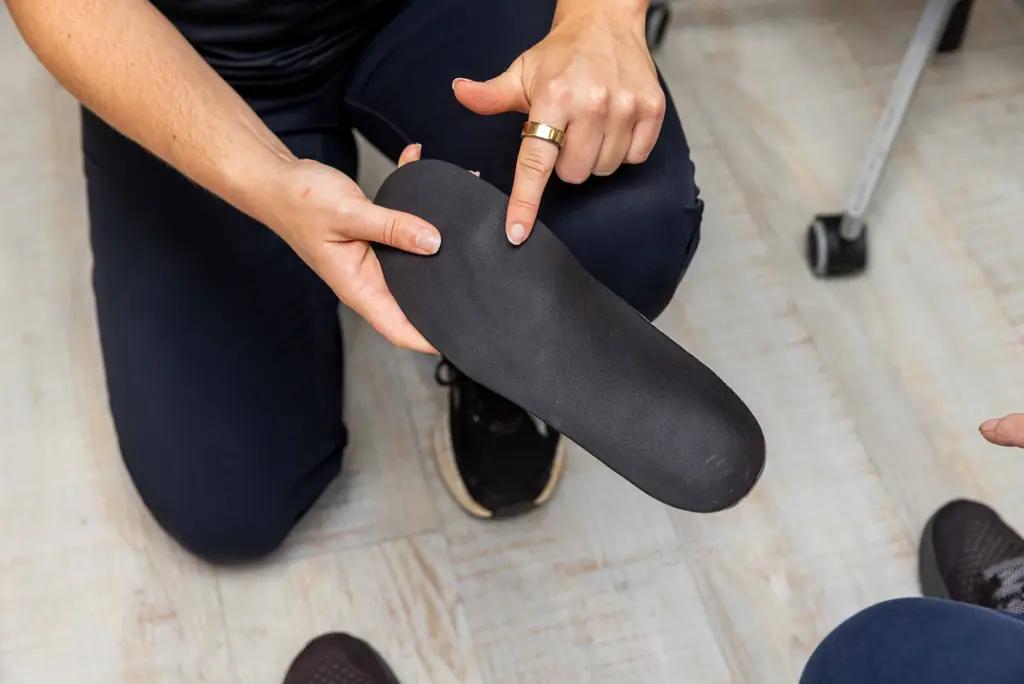
Orthotic therapy often plays a key role in supporting the arch and reducing strain on the tendon.
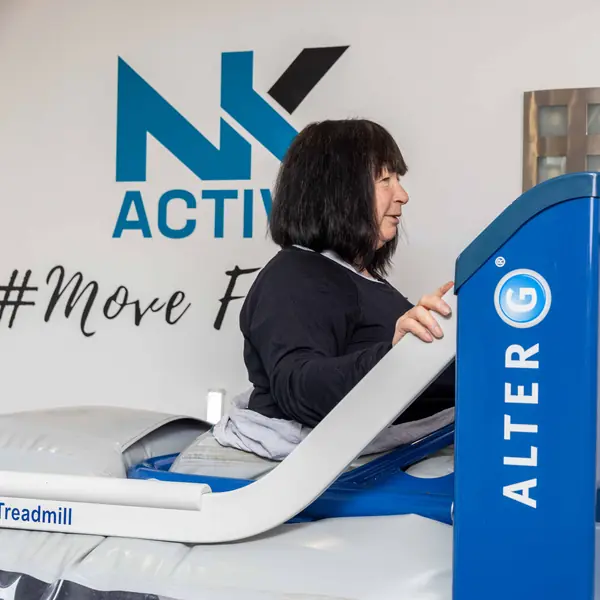
Targeted strengthening exercises help improve tendon capacity and lower limb function.
Understanding walking mechanics helps identify movement patterns contributing to symptoms.
Footwear Advice
Appropriate footwear can improve support and reduce stress through the foot and ankle.
Identifying deficits in strength helps guide a more personalised rehabilitation programme.
Why Choose NK Active?
We combine specialist podiatry expertise with advanced biomechanical assessment and rehabilitation strategies to help patients manage this condition effectively.
Common Questions
Frequently Asked Questions
Is tibialis posterior tendon dysfunction the same as tendinopathy?
No. Tendinopathy describes tendon pain and degeneration, while dysfunction refers to progressive loss of tendon function and support.
Can the condition be reversed?
Early-stage cases often respond very well to conservative treatment. More advanced cases may require long-term management strategies.
Do orthotics help?
Yes. Orthoses are often an important part of treatment because they help reduce stress on the tendon.