I have been a patient of Nick’s for many years, using custom orthotics and various treatments. Nick and the team always provides a knowledgeable, friendly and helpful approach to everything. After many years of extreme exercise leading to a recent arthritis diagnosis in my foot, his treatment helped me complete a 50k ultra marathon in the Swiss Alps. Thank you.
SBShaun Bucknole3 months agovia Google
Jess was excellent at providing a structured rehab plan with regular check-ins to ensure the exercises were appropriate and followed, such that my fitness improved measurably. Would highly recommend her and the team.
NINeil Isaacson3 months agovia Google
Great to meet Nick today. Professional and already has ideas to help a recurring injury.
IRIan Robbins3 months agovia Google
Excellent service, friendly reception staff. Nick was very experienced and made my very nervous 14 year old feel at ease. He rescheduled his diary to squeeze her in and we are very grateful.
AMAmy Mitchell3 months agovia Google
Found everyone polite and professional. Jim ensured that he fully understood my problem and then explained possible solutions. I have made further appointments for an additional service that should help me.
TCTrevor Callaway4 months agovia Google
Identified all the issues and recommended a very practical treatment plan.
RMRory Myles4 months agovia Google
Fast and thorough. Just what I needed.
MSMike Salmon5 months agovia Google
I have now had several sessions with NK Active and the results have been very good. The two people who have worked with me have been very thorough in their initial and subsequent assessments, and combine making sensible demands with being positive and encouraging. I have also had very useful and detailed email reminders of the content of each session, including videos of exercises.
CWCarole Westbrook5 months agovia Google
Nick managed to squeeze my daughter in for a specialist assessment just in time for her first vocational ballet exam. He was an absolute expert who could add more to the clinical picture than my paediatric physiotherapy hat! Needless to say, my daughter’s pointe shoes are now more comfortable and she has more confidence in her bruised great toe moving forward. Many thanks, Nick!
CBCaroline Baker5 months agovia Google
TLDR: Sports Rehab with Jess is the perfect intersection of physio and gym personal trainer. Paired with custom orthotics, I am now active, pain free, and getting stronger. I have reoccurring injuries I have been to physios off and on for years, and they helped me recover from the initial acute injury. I have worked with personal trainers at the gym, but every couple of years I would still reinjury myself. I finally wanted to break the cycle. Went to NK Active to check the biomechanics of how I walk and move. Nick the podiatrist made me custom orthotics that were designed to support my hypermobile foot and collapsing arch. Immediately reduced my knee and back pain, but not completely. With all the pain and weak leg muscles, Nick also strongly recommended I do physical rehabilitation with Jess. Great suggestion. My knee and back pain is now gone after doing ankle and hip strengthening, and I am walking faster again. Jess was patient and understanding, seeing me at the level of fitness and pain I was at (not what I should be for my age). She focused on building confidence in movement, and prioritizing a few key exercises first. Also these first exercises purposefully did not target the area of my chronic injury until I was moving confidently again without generalized pain. Some physios and trainers are too focused on 'X problem? this is what is typically done and you must do to', but Jess actually listened to my preferences in how to exercise, why I didn't like certain exercises and was very adaptable and creative to think of alternatives exercises that I was happier doing. I am so grateful, as it has helped me move through my injury anxiety. Physio addresses one specific localised problem. But the physical rehab with Jess treats the person as a whole. Highly recommend.
CBClaire Boteler5 months agovia Google
Friendly, knowledgeable and would recommend
TWTanya Whitbread5 months agovia Google
NK Active have been brilliant at not only resolving my foot pain but also providing a great range of tailored strength training exercises to avoid future injury. I would definitely recommend them.
SVShelby Vincent6 months agovia Google
Possibly one of the best clinics if you want to understand how to avoid injury and achieve optimal performance. Lovely location, first class equipment and super friendly people.
ACA Cavell7 months agovia Google
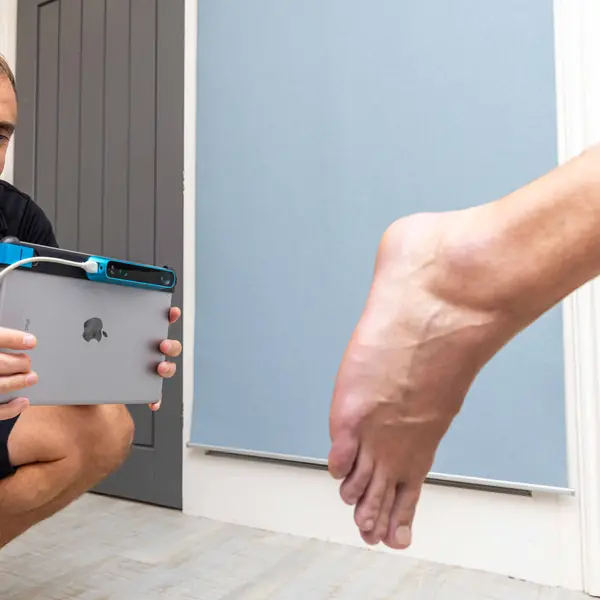
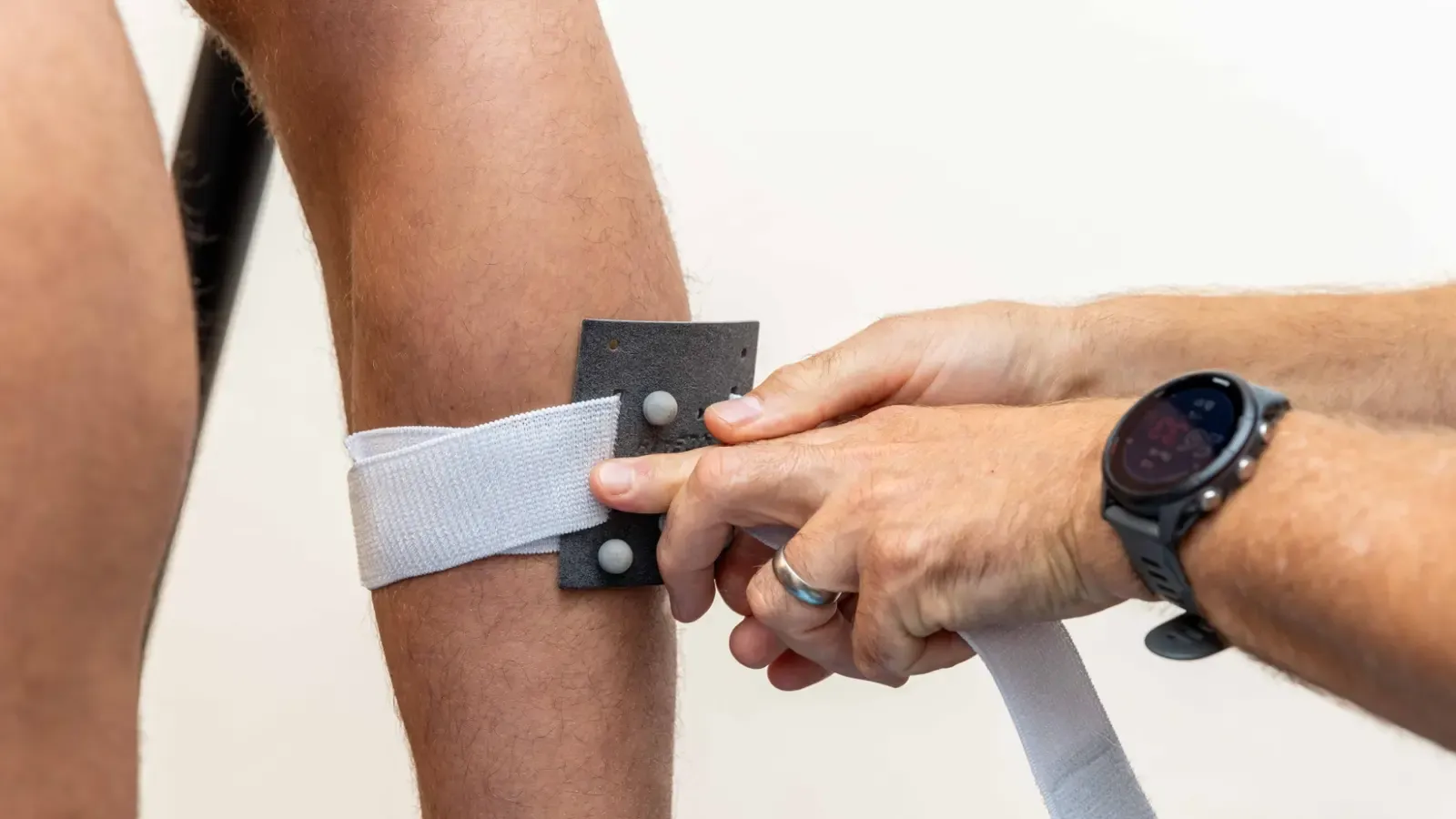
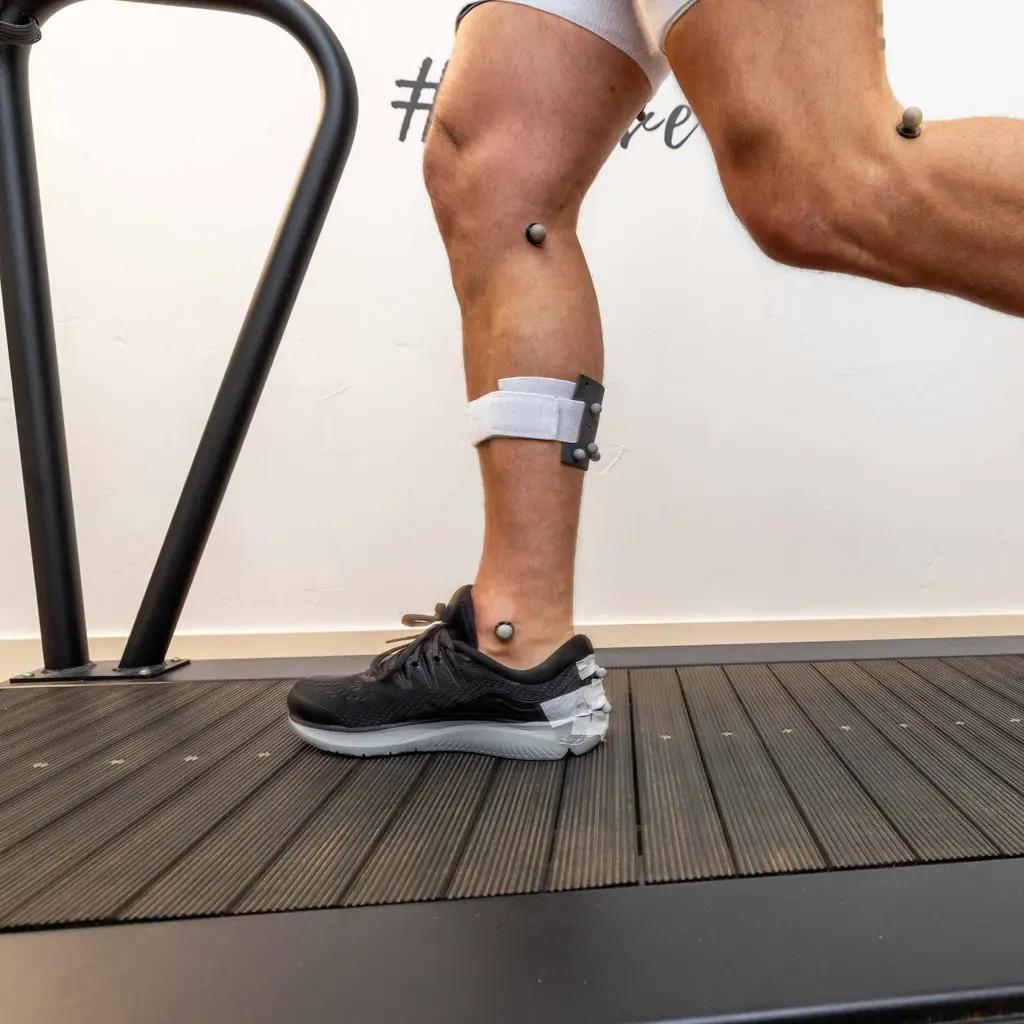
I have nothing but praise for Nick and the team at NK Active, and was really impressed with all of the care I got there. Nick is knowledgeable, friendly and down-to-earth, and the assessment and input I got was top-draw. The technology that they have gave really clear information about what I needed to do, and his assessment was extremely thorough.
OAOsman Ahmed7 months agovia Google
First visit today. Alicia was welcoming, pleasant and professional. I felt very comfortable and Alicia explained the problem and talked about treatment options. Very happy to return for future appointments.
AHAlison Hookway7 months agovia Google
My podiatry appointment and rehab package have significantly improved my problems. Alicia and Jess were both brilliant; really knowledgeable as well as very kind and encouraging.
JOJulia Owton8 months agovia Google
Nick was absolutely brilliant in his care and knowledge . I had total confidence in his diagnosis and treatment and could not thank him enough .
VWVicky Williamsona year agovia Google
Professional, knowledgable, excellent service thank you.
YWYoga with Carly Ka year agovia Google
A really friendly and efficient team with a welcoming and relaxing atmosphere. The procedure for a toenail problem was quick and painless with great follow up advice. Many thanks Alicia.
SRSteve Rousea year agovia Google
Did a great job and sorted out my foot highly recommended
RFRichard Farmera year agovia Google
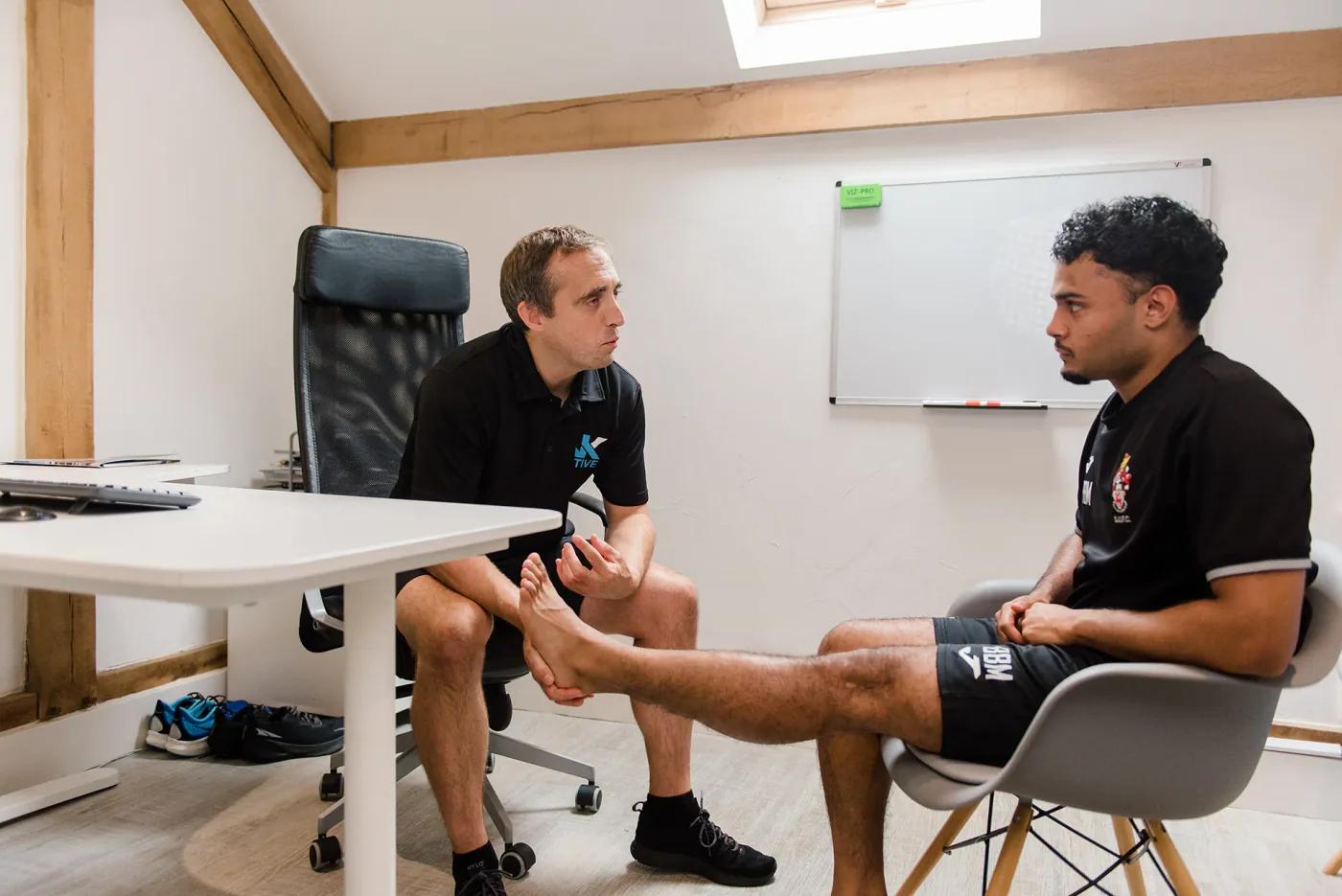
Alicia was very thorough in the consultation. She explained the cause of my problem clearly, went through the possible solutions, and gave me options to consider. What I appreciated most is that she also gave a clear recommendation at the end rather than just leaving me to decide. It felt professional and reassuring.
AVArun v.ka year agovia Google
I had damaged my toe Sunday evening, phoned around 9am Monday, by 4pm I had my nail removed painlessly and the practice manager drove me home as it wasn't far out of her way. Thank you all for enabling a speedy recovery process.
RCRichard Coopera year agovia Google
Turned up thinking that I needed some innersoles to help my feet. Ended up having a full consultation which was hugely beneficial. Would highly recommend if you are needing help.
MRM Rotherya year agovia Google