

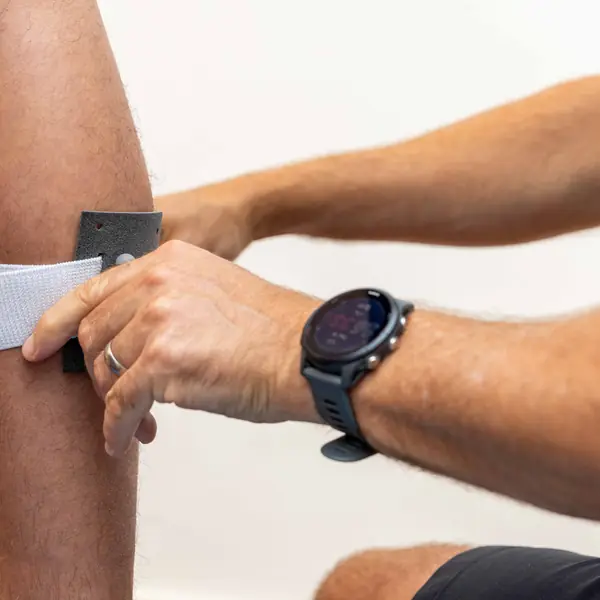
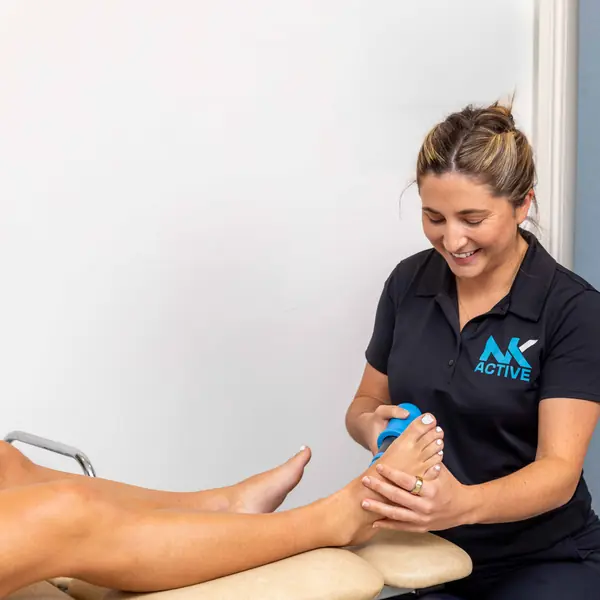

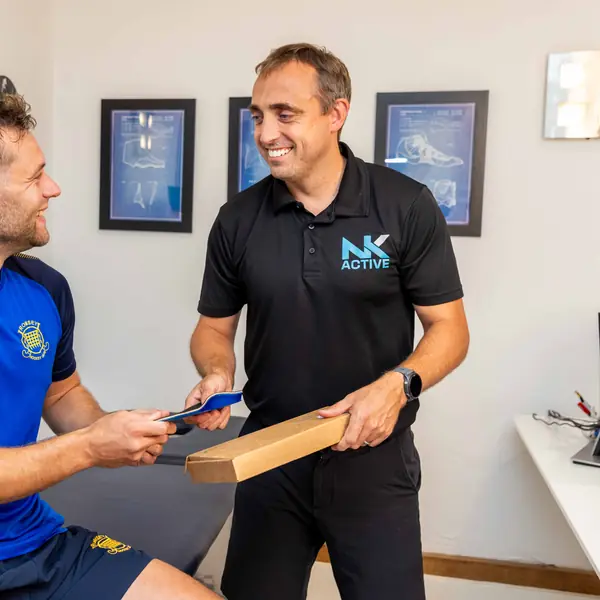
I have been a patient of Nick’s for many years, using custom orthotics and various treatments. Nick and the team always provides a knowledgeable, friendly and helpful approach to everything. After many years of extreme exercise leading to a recent arthritis diagnosis in my foot, his treatment helped me complete a 50k ultra marathon in the Swiss Alps. Thank you.
1st MTPJ Osteoarthritis Treatment in Romsey
Assessment of the big toe joint, with footwear, orthotic and activity options.
Background
What Is 1st MTPJ Osteoarthritis?
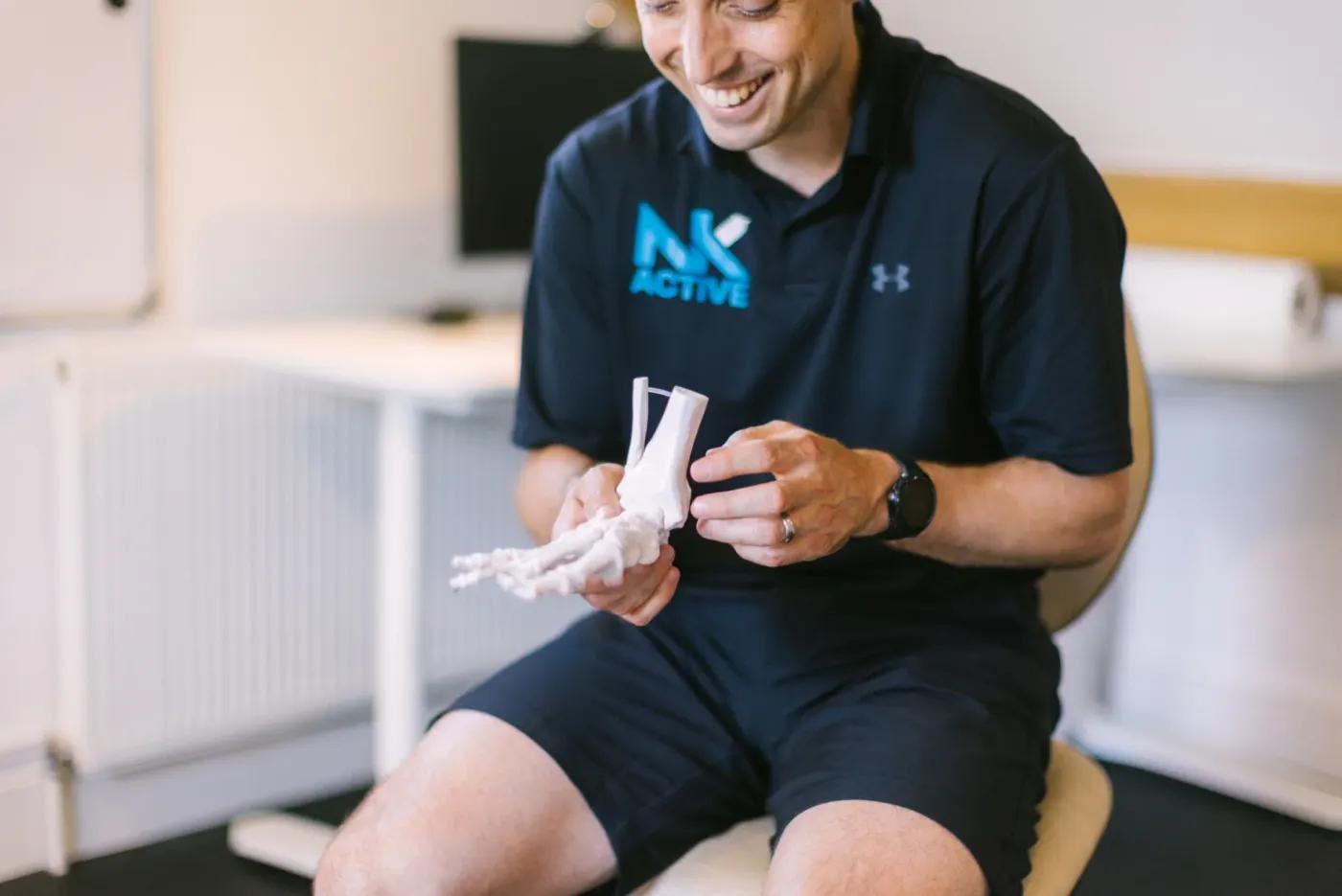
The 1st MTPJ is the joint where the big toe meets the foot. It plays a crucial role during walking, running and pushing off the ground.
Osteoarthritis develops when the cartilage within the joint gradually wears down, causing inflammation, stiffness and changes to the surrounding bone. As the condition progresses, movement becomes restricted and everyday activities may become increasingly uncomfortable.
Symptoms of 1st MTPJ Osteoarthritis
Common symptoms include:
- Pain around the base of the big toe
- Stiffness, particularly in the morning
- Pain when walking uphill or climbing stairs
- Discomfort during running and jumping activities
- Reduced movement in the big toe joint
- Swelling around the joint
- Difficulty wearing certain footwear
- Pain when pushing off during walking
Many patients notice symptoms gradually worsening over time, particularly if they remain highly active.
What Causes 1st MTPJ Osteoarthritis?
Several factors can contribute to the development of osteoarthritis in the big toe joint, including:
- Age-related changes
- Previous injury to the joint
- Repetitive sporting activities
- Biomechanical abnormalities
- Higher heeled shoes
- Family history of osteoarthritis
- Certain foot structures that increase joint loading
Identifying these contributing factors is an important part of successful treatment.
How We Diagnose 1st MTPJ Osteoarthritis
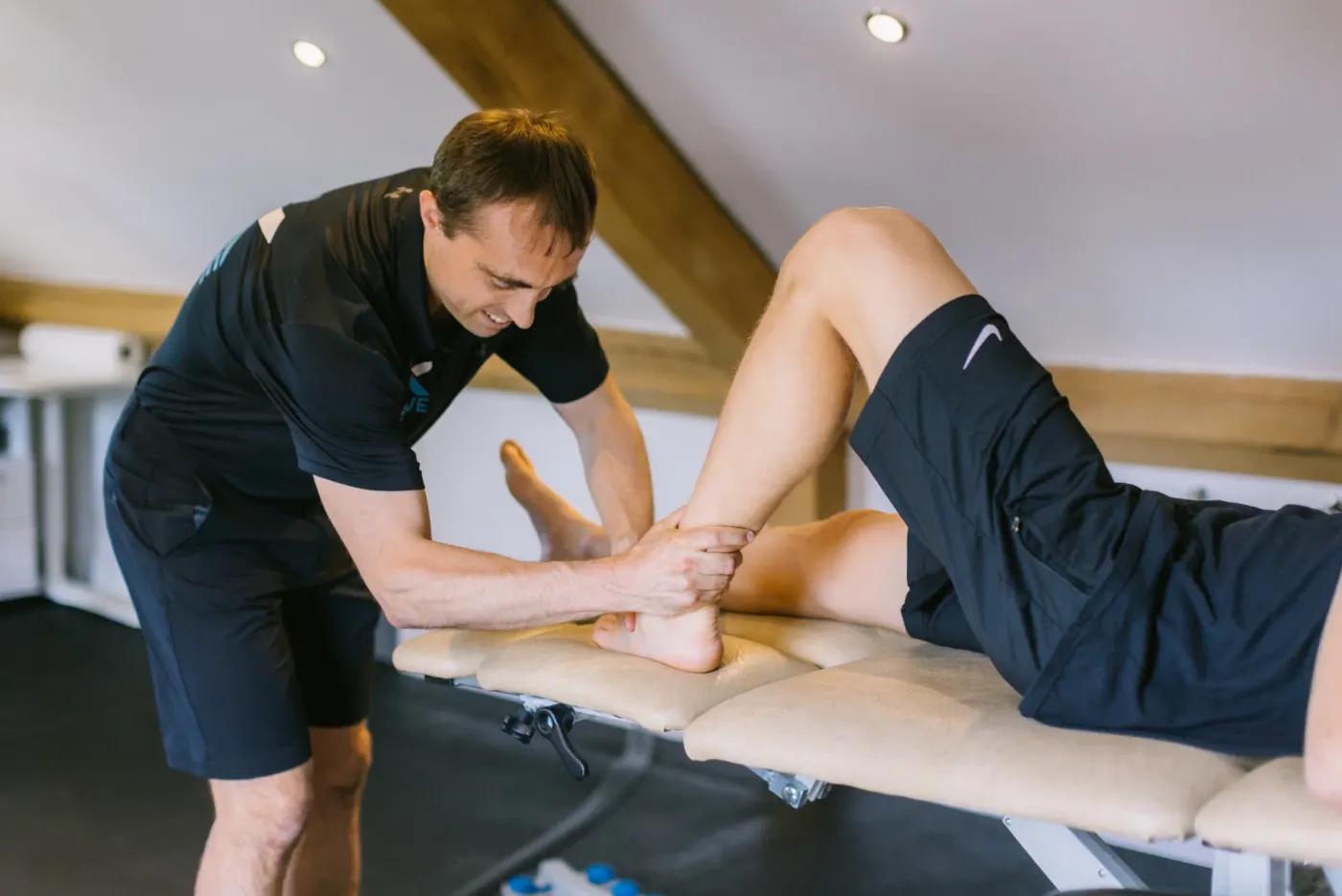
At NK Active, assessment begins with a detailed clinical examination and discussion of your symptoms.
Your podiatrist may assess:
- Joint mobility
- Walking and running mechanics
- Foot posture
- Lower limb strength
- Footwear
- Activity levels
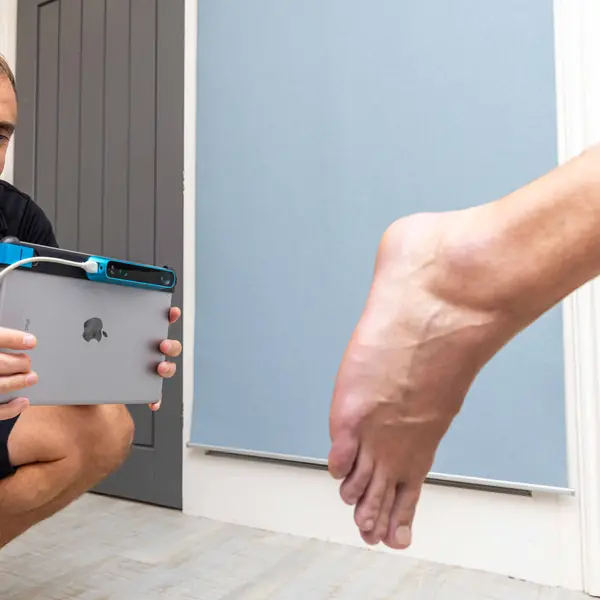
Where appropriate, gait analysis can provide valuable information about how the joint functions during movement and identify compensatory patterns contributing to symptoms.
Treatment for 1st MTPJ Osteoarthritis
Treatment depends on the severity of symptoms and your goals.
Your personalised treatment plan may include:
A comprehensive assessment allows us to identify the factors contributing to joint stress and develop an effective management plan.
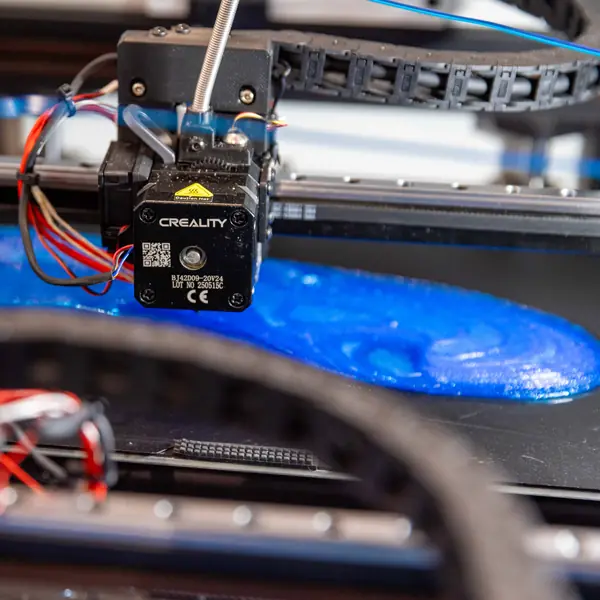
Custom orthoses can help reduce pressure through the affected joint and improve foot mechanics during walking and running.
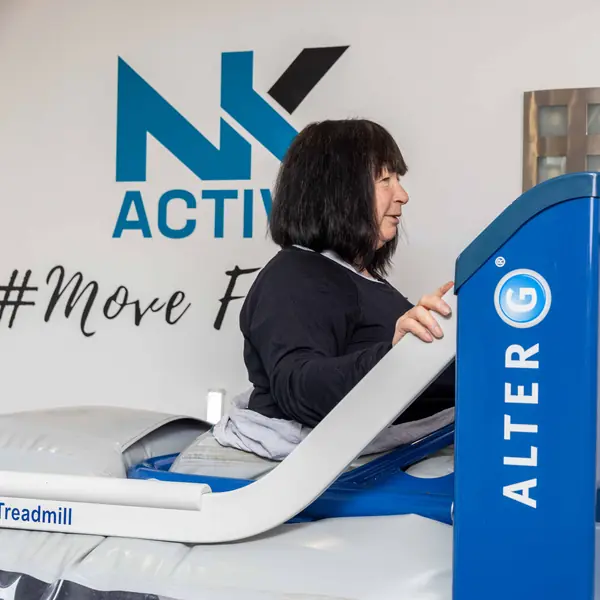
Targeted exercises can improve strength, mobility and overall lower limb function, helping reduce stress on the joint.
Detailed gait assessment can identify movement patterns that may be increasing load through the big toe joint.
Footwear Advice
Appropriate footwear can significantly reduce symptoms and improve comfort during daily activities.
Injection Therapy Referral
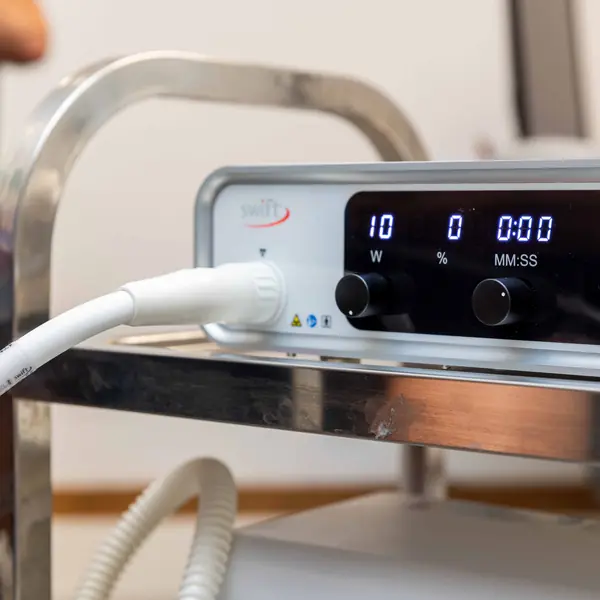
For some patients, injection therapy may be considered as part of a wider management strategy; we can offer this in-house.
Why Choose NK Active?
Our clinicians combine specialist podiatry expertise with advanced biomechanical assessment and rehabilitation strategies.
Treatment may involve:
- Podiatry
- Rehabilitation
- Orthotic therapy
- Gait analysis
- Footwear advice
- Collaborative management with other healthcare professionals where required
Common Questions
Frequently Asked Questions
Will I need surgery?
Most people can successfully manage symptoms without surgery. Conservative treatment is usually the first line of management.
Can I still exercise?
In most cases, yes. Treatment focuses on helping you remain active while reducing pain and protecting the joint and building up strength is very important.
Do orthotics help?
Many patients benefit from orthotic therapy, particularly when abnormal loading patterns are contributing to symptoms.
Is osteoarthritis reversible?
Osteoarthritis cannot be reversed, but symptoms can often be managed very successfully through appropriate treatment.