

I have been a patient of Nick’s for many years, using custom orthotics and various treatments. Nick and the team always provides a knowledgeable, friendly and helpful approach to everything. After many years of extreme exercise leading to a recent arthritis diagnosis in my foot, his treatment helped me complete a 50k ultra marathon in the Swiss Alps. Thank you.
Lisfranc Injury Treatment in Romsey
Assessment and staged rehabilitation after a Lisfranc injury to the midfoot.
Conditions
What Is a Lisfranc Injury?
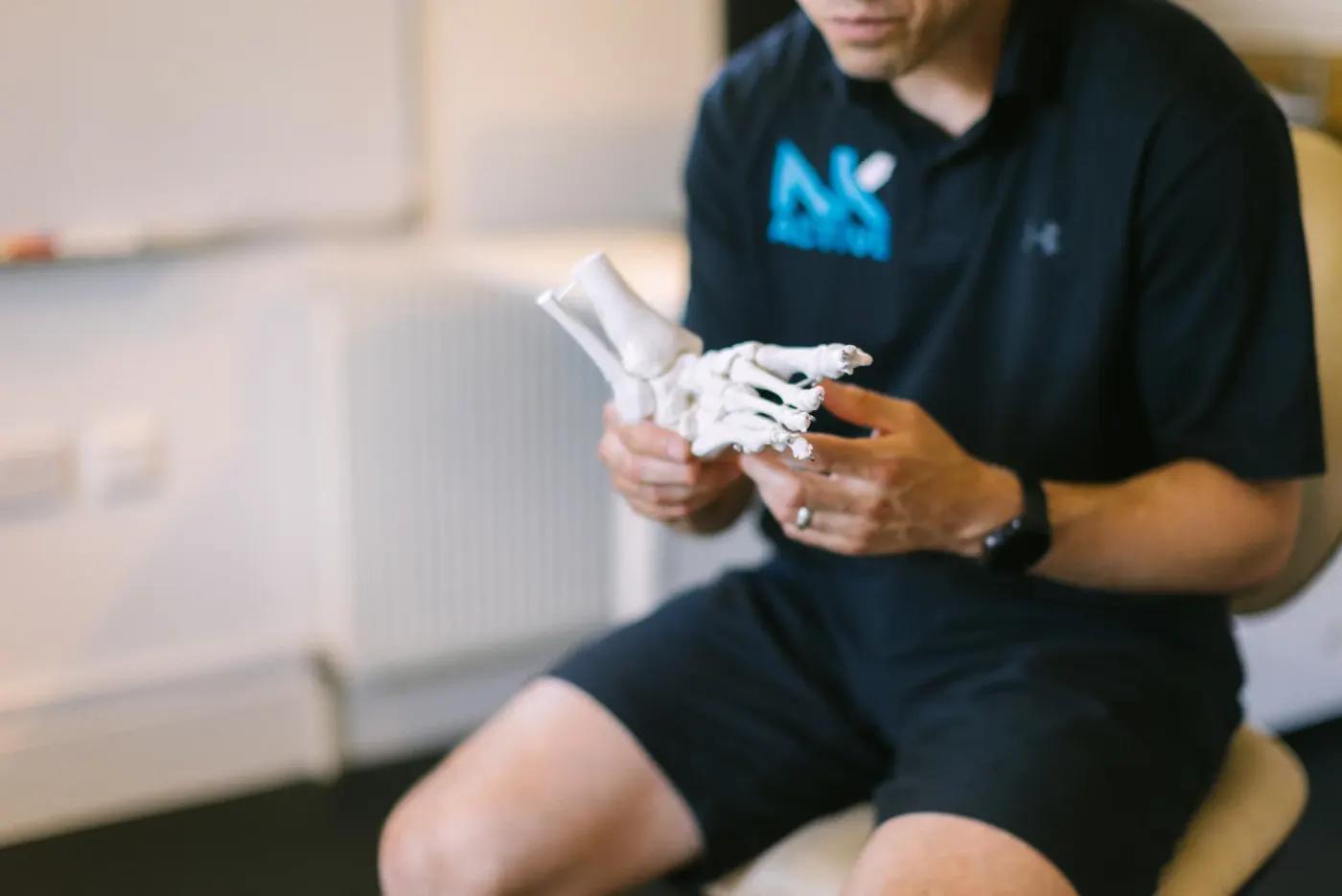
The Lisfranc joint complex is located in the midfoot and plays a crucial role in maintaining foot stability during walking, running and sport.
A Lisfranc injury occurs when the ligaments supporting these joints become stretched, torn or disrupted. Injuries can range from mild sprains to more significant ligament damage and fractures.
Because the midfoot is responsible for transferring force through the foot, even relatively small injuries can have a substantial impact on movement.
Symptoms of a Lisfranc Injury
Common symptoms include:
- Pain in the middle of the foot
- Swelling across the midfoot
- Difficulty walking or weight-bearing
- Pain during push-off
- Bruising on the sole of the foot
- Reduced walking tolerance
- Pain during sporting activity
Symptoms are often aggravated by standing on tiptoes or attempting to run.
What Causes a Lisfranc Injury?
Common causes include:
- Twisting injuries
- Sporting collisions
- Falls
- Sudden changes in foot position
- High-impact sporting activities
- Repetitive loading in some athletes
The injury may occur suddenly following trauma or develop through repeated stress in certain cases.
Assessment and Diagnosis
Early diagnosis is extremely important.
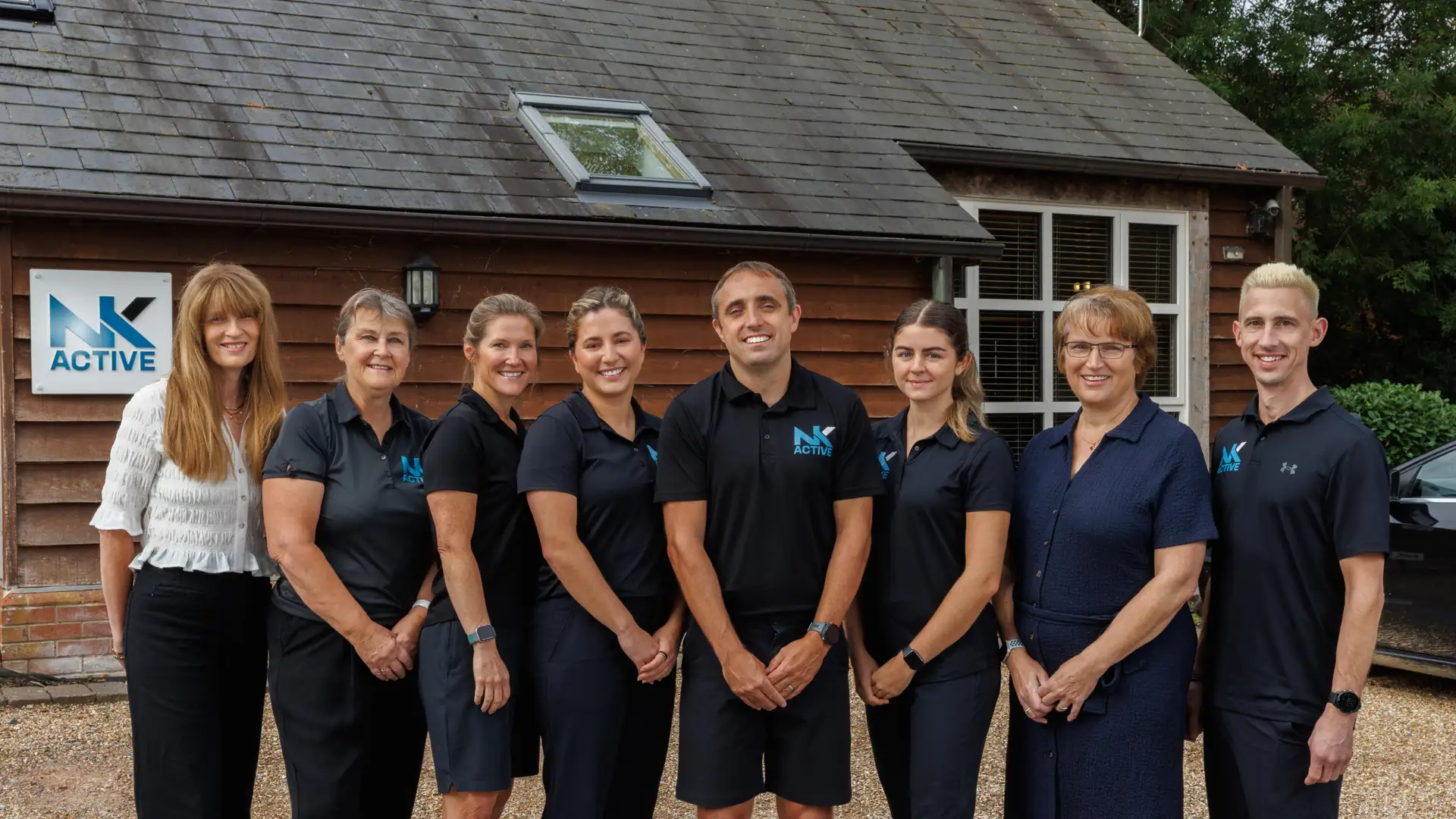
At NK Active, assessment may include:
- Detailed injury history
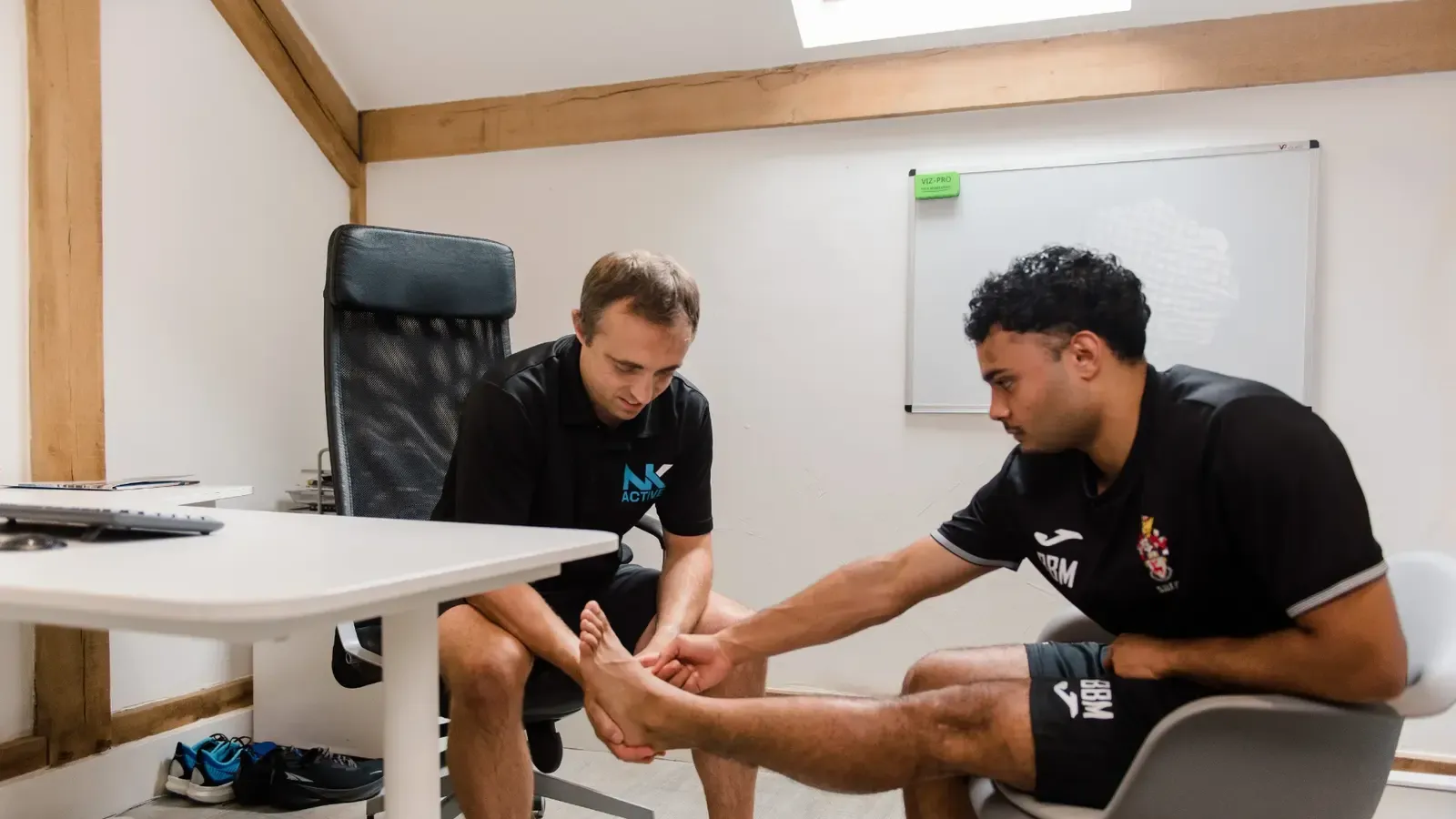
- Clinical examination
- Midfoot stability testing
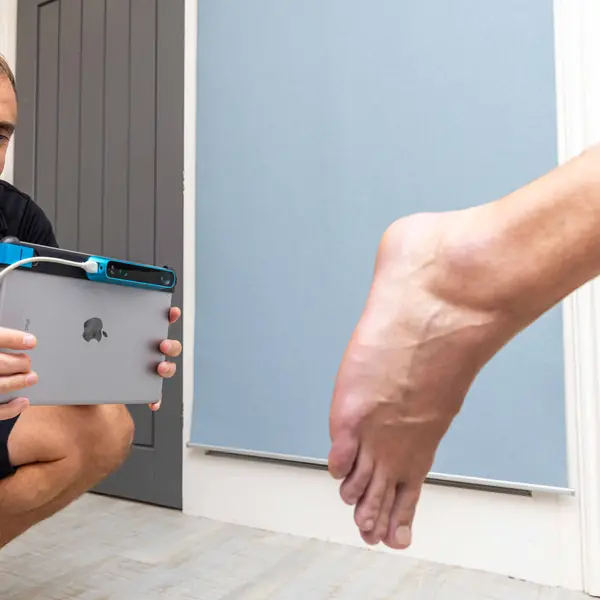
- Gait assessment
- FootwearLoading assessment
- Review of imaging findings where available
More significant injuries often require imaging and specialist medical management.
Treatment for Metatarsal Stress Fractures
A structured rehabilitation programme helps restore strength, mobility and confidence.
Detailed biomechanical assessment can identify compensatory movement patterns that develop during recovery.
Assessing lower limb strength helps guide progression back to activity.
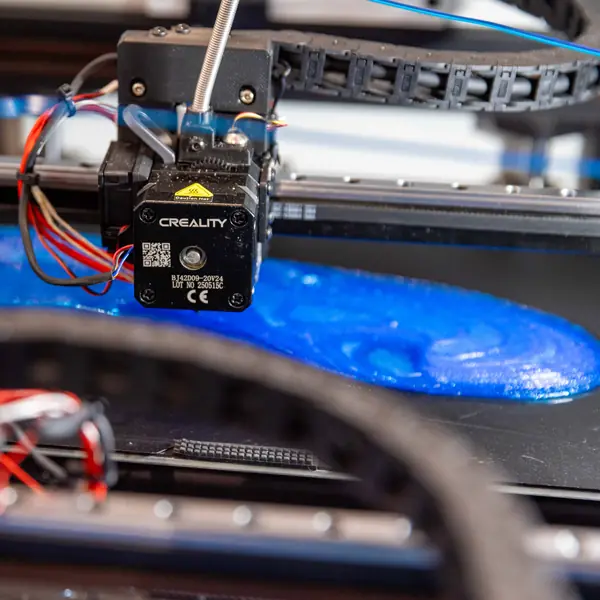
Orthoses may help improve comfort and reduce stress through vulnerable areas of the foot.
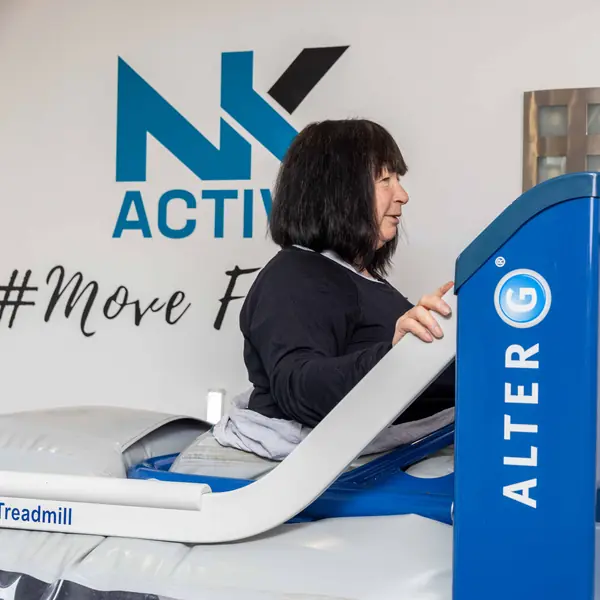
The AlterG allows patients to begin walking and running progression with reduced loading through the recovering foot.
Return-to-Sport Planning
We guide patients through a progressive return-to-sport programme tailored to their goals and activity levels.
Why Choose NK Active?
Recovery from a Lisfranc injury often requires more than simply allowing tissues to heal. Our team combines podiatry, rehabilitation and biomechanics to help restore function and reduce the risk of ongoing problems.
Common Questions
Frequently Asked Questions
Are Lisfranc injuries serious?
Yes. Early diagnosis and appropriate management are important to achieve the best possible outcome.
Will I need surgery?
Some Lisfranc injuries require surgical management, while others can be treated conservatively.
Can I return to sport?
Many patients return successfully to sport following structured rehabilitation and appropriate management.